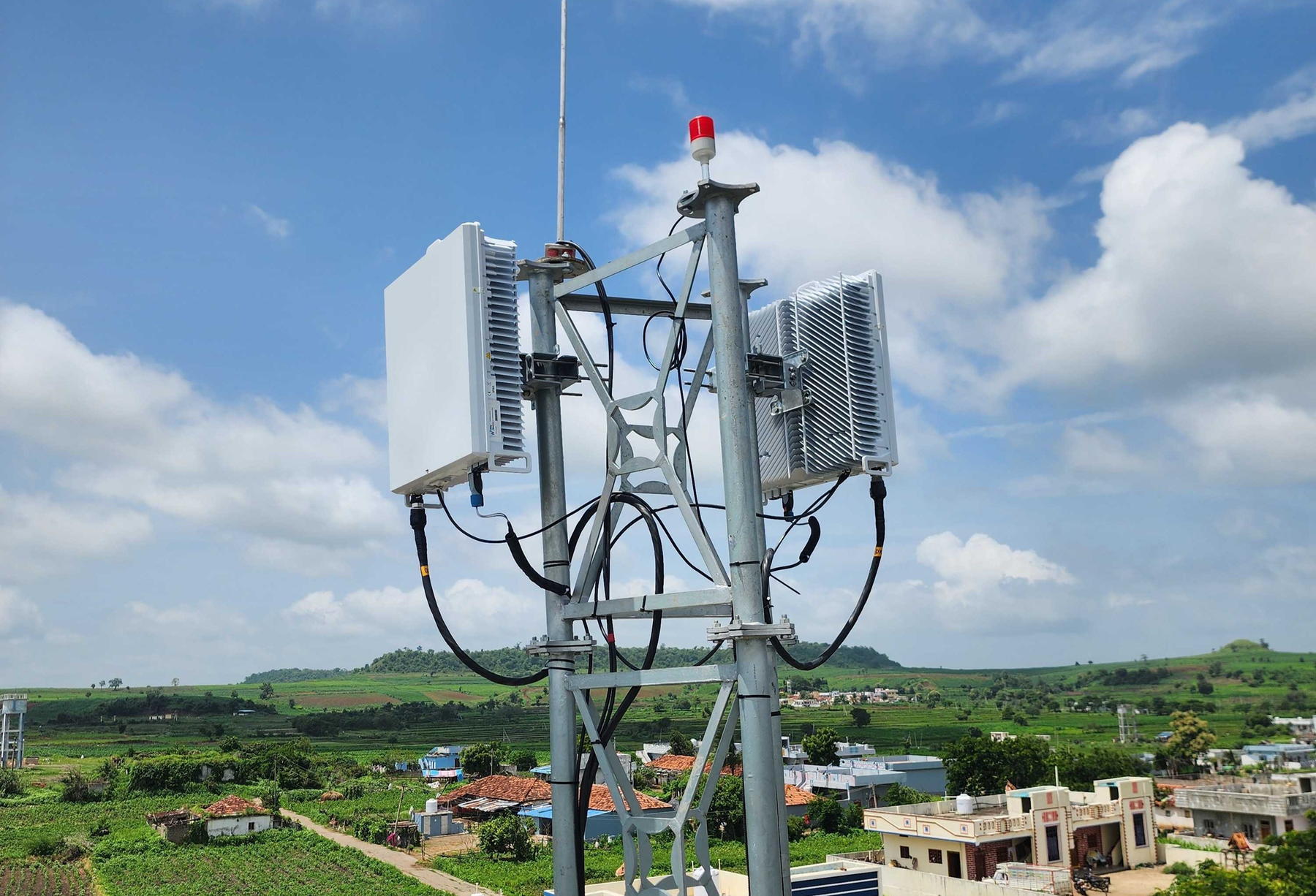
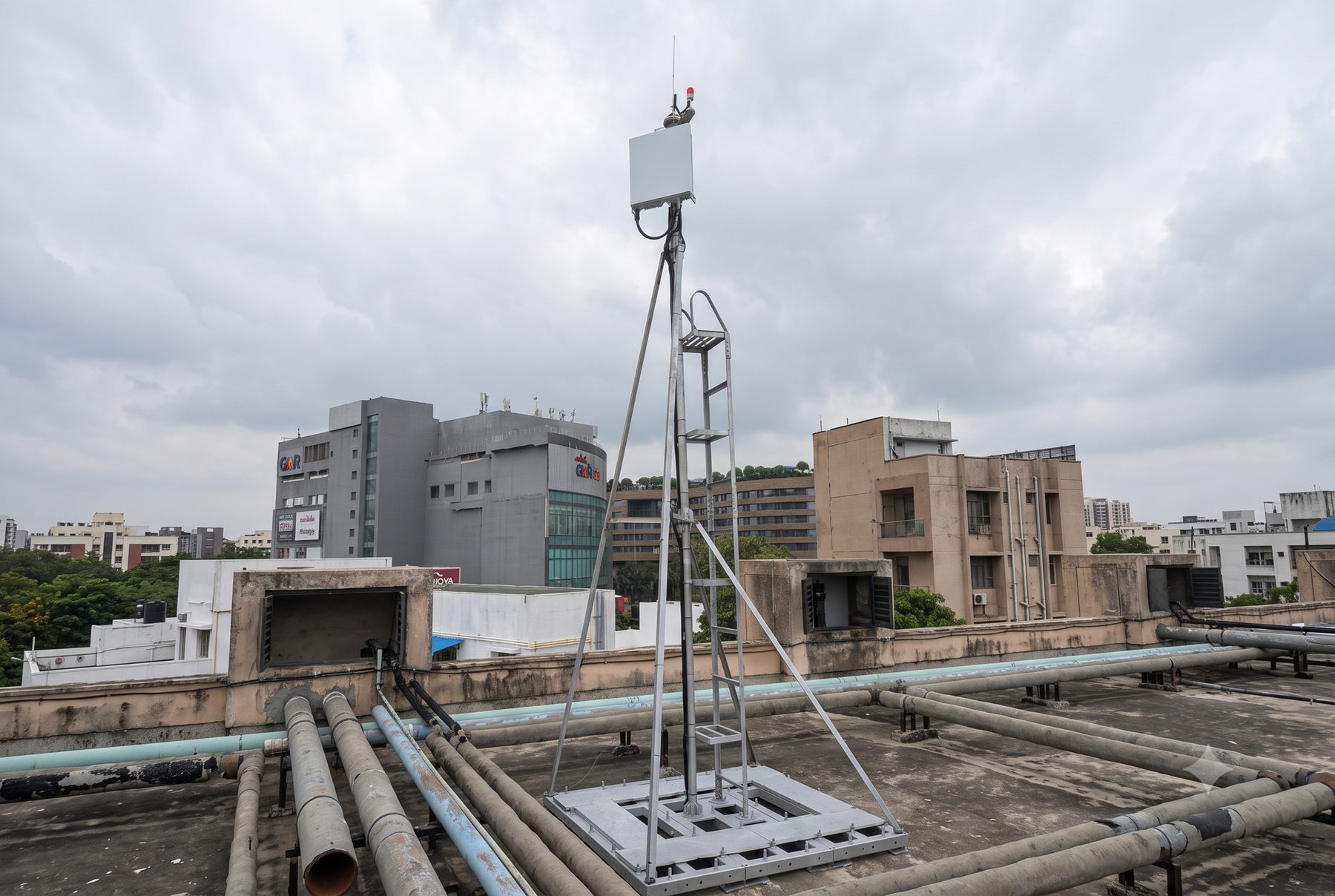
Distributed unit and central unit for 5G Standalone, on open interfaces, designed alongside our radio.
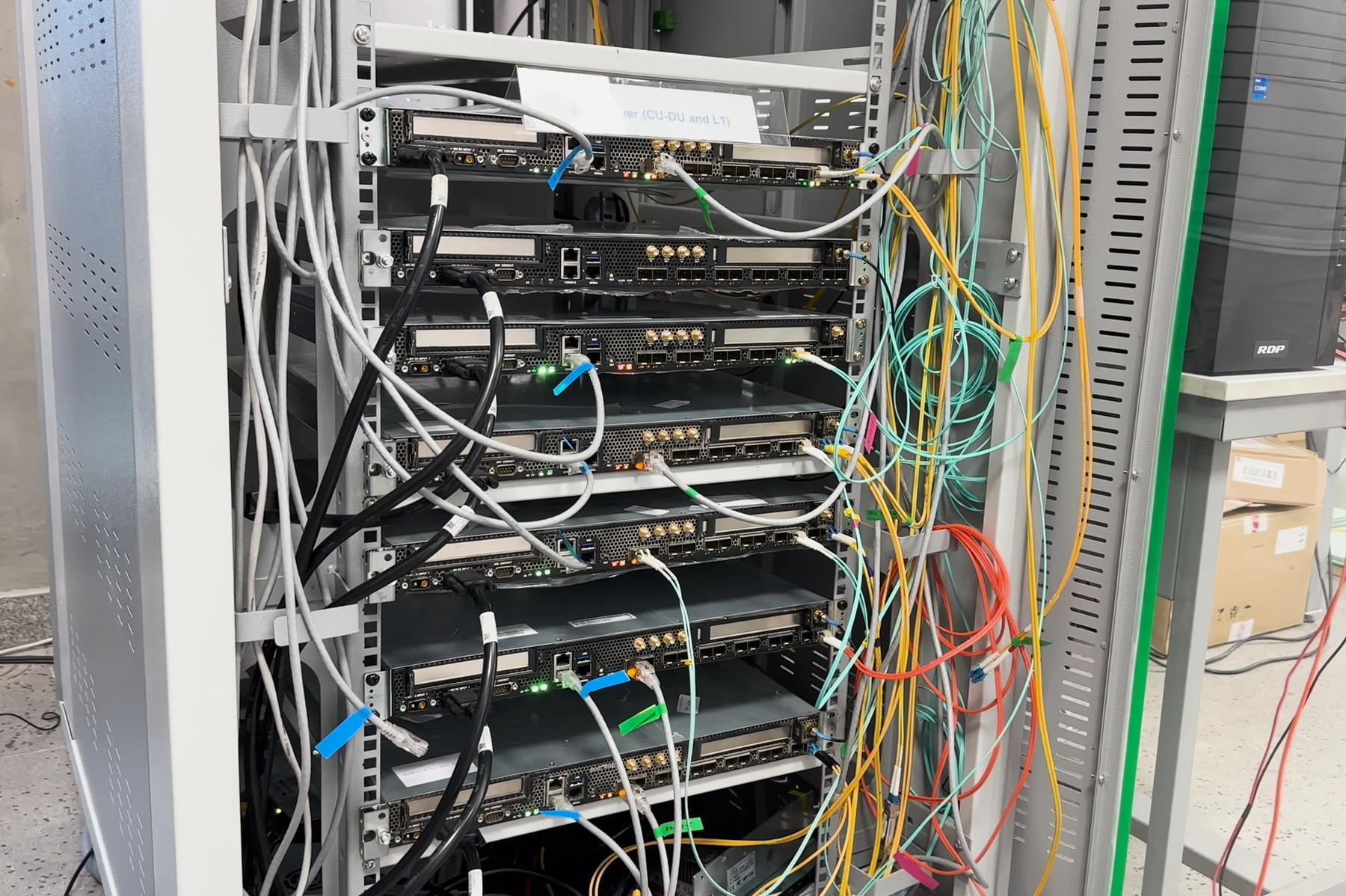
Select a photograph to see it larger.
The baseband side of the network: an O-RAN distributed unit running high-PHY, MAC and RLC, and a central unit handling PDCP, RRC and SDAP. Together they make a complete 5G Standalone base station.
It was designed alongside the 32TR radio, which is why ULPI works end to end: moving uplink processing into the radio means changing the radio, the fronthaul and the scheduler together. It also runs against third-party radios over the standard 7.2x interface, and our radio runs against third-party distributed units.
This is the product that carried India’s first 5G data call over an indigenously developed Open RAN network, and it has been through C-DOT qualification testing.
It is deployed and carrying live traffic: Standalone sites at Chimnapur, NIMS Hospital and Manala, non-standalone sites at Ambala, Delhi and Bengaluru, and the distributed and central units running in more than twenty-five university laboratories. At the live sites it runs with our Ravion 32T32R Massive MIMO radio.
O-DU and O-CU for 5G Standalone and Non-Standalone, to 3GPP Release 15 and 16, over the O-RAN 7.2x split.
The scheduler knows what the radio can do, because the same team built both. That is what makes ULPI work end to end.
Standalone at Chimnapur, NIMS Hospital and Manala; non-standalone at Ambala, Delhi and Bengaluru.
The distributed and central units run in more than twenty-five university laboratories, which is where most interoperability testing happens.
Validated against third-party radios and third-party distributed units, both directions across the 7.2x interface.
The base station works with the core the operator already has. We do not build one and we do not require ours.
| Architecture | O-RAN disaggregated: O-DU and O-CU |
|---|---|
| Radio access | 5G NR Standalone, 3GPP Release 15/16 |
| Fronthaul | O-RAN 7.2x over eCPRI |
| Midhaul and backhaul | F1 and NG |
| Functions | High-PHY, MAC, RLC · PDCP, RRC, SDAP |
| Deployment modes | Standalone and Non-Standalone |
| Interoperability | Validated against third-party O-RUs and O-DUs |
Full specifications are in the datasheet. Figures not yet released publicly are available under NDA.
Standalone sites carrying live traffic, non-standalone sites with operators, and the distributed and central units running in university laboratories across the country.
A village fixed wireless site in Sangareddy, a hospital campus network in Hyderabad and a rural site at Manala, Nizamabad, all carrying live traffic on 5G Standalone.
Multiple non-standalone sites, where the base station works alongside an existing LTE anchor rather than replacing it.
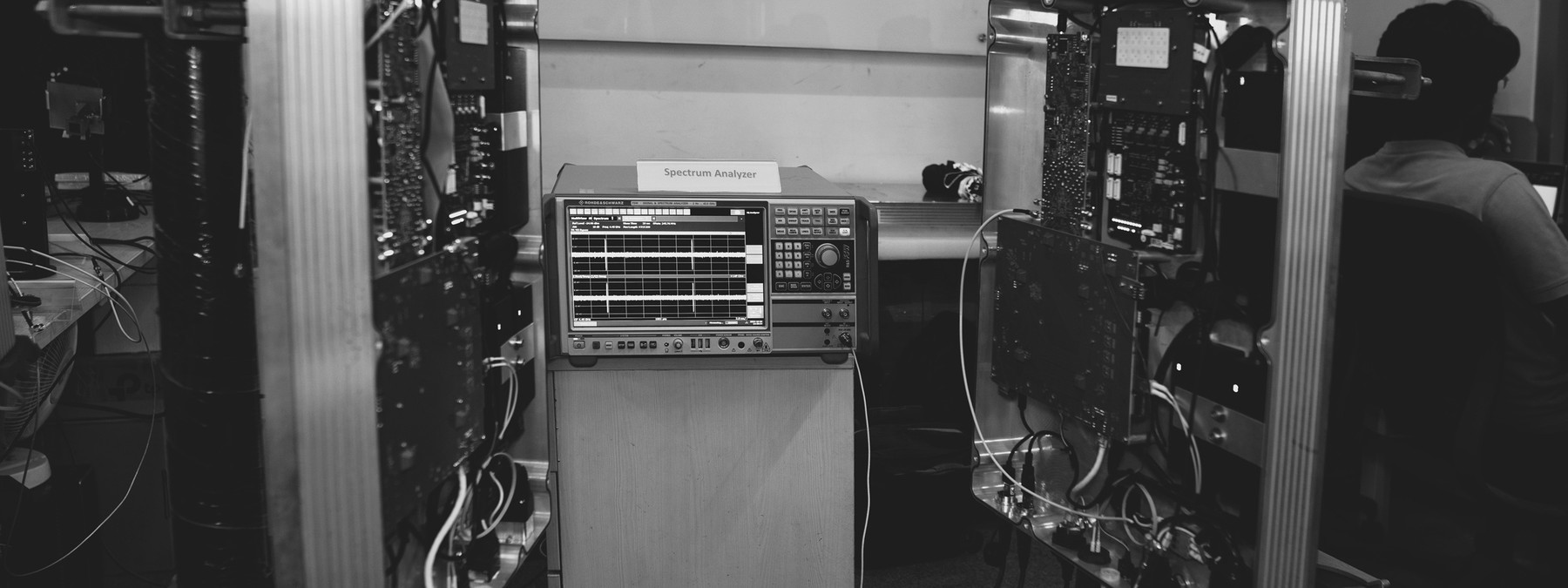
The distributed and central units run in more than twenty-five university laboratories, which is where most of the interoperability testing happens.
Operator trials, private 5G deployments, interoperability testing or academic collaboration.