Two lines of work out of the same group at IIT Hyderabad. ULPI is in our radio today and addresses the uplink limit that decides how far a site reaches. OTFDM is a waveform proposal for IMT-2030, now inside a 3GPP 6G study item.
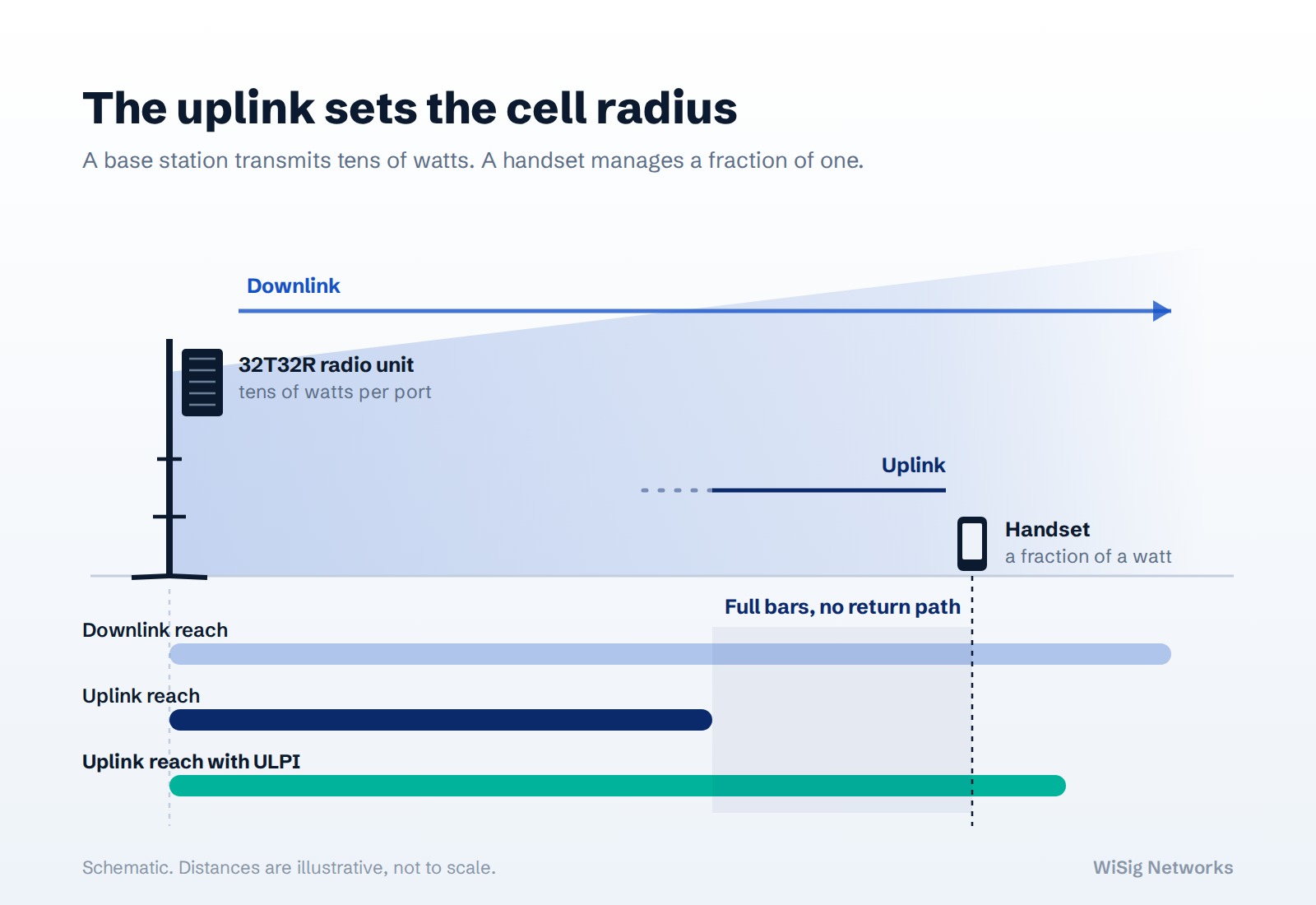
Channel estimation and beamforming performed inside the radio unit rather than at the baseband. It lifts the uplink at the cell edge, which is what sets the usable radius of a site, and therefore how many sites a network needs.
Read more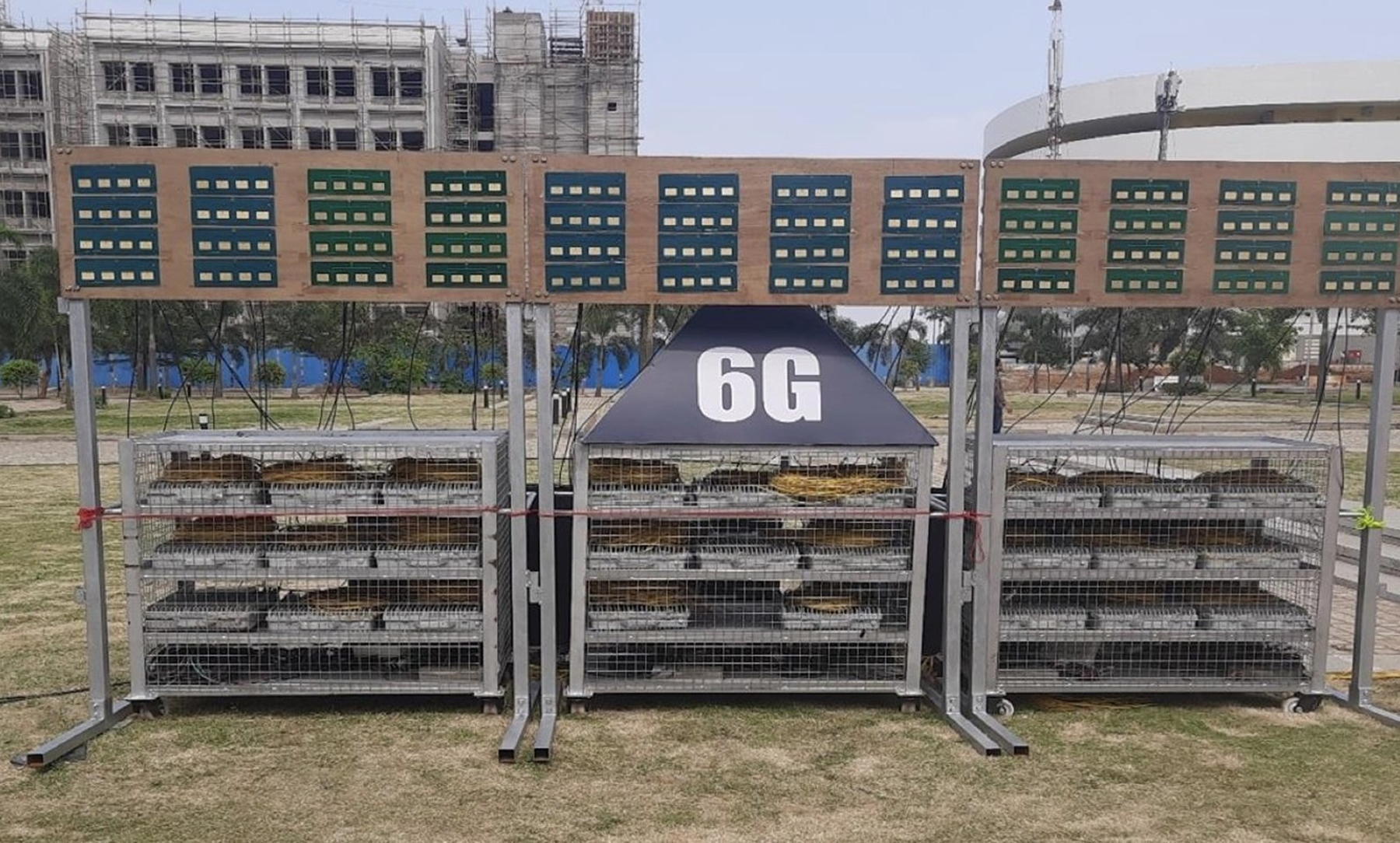
A waveform that carries the reference signal and the data inside the same symbol. Each symbol is self-contained, which is what allows a complete transmission in one symbol and a channel estimate per symbol rather than one interpolated across a slot.
Read more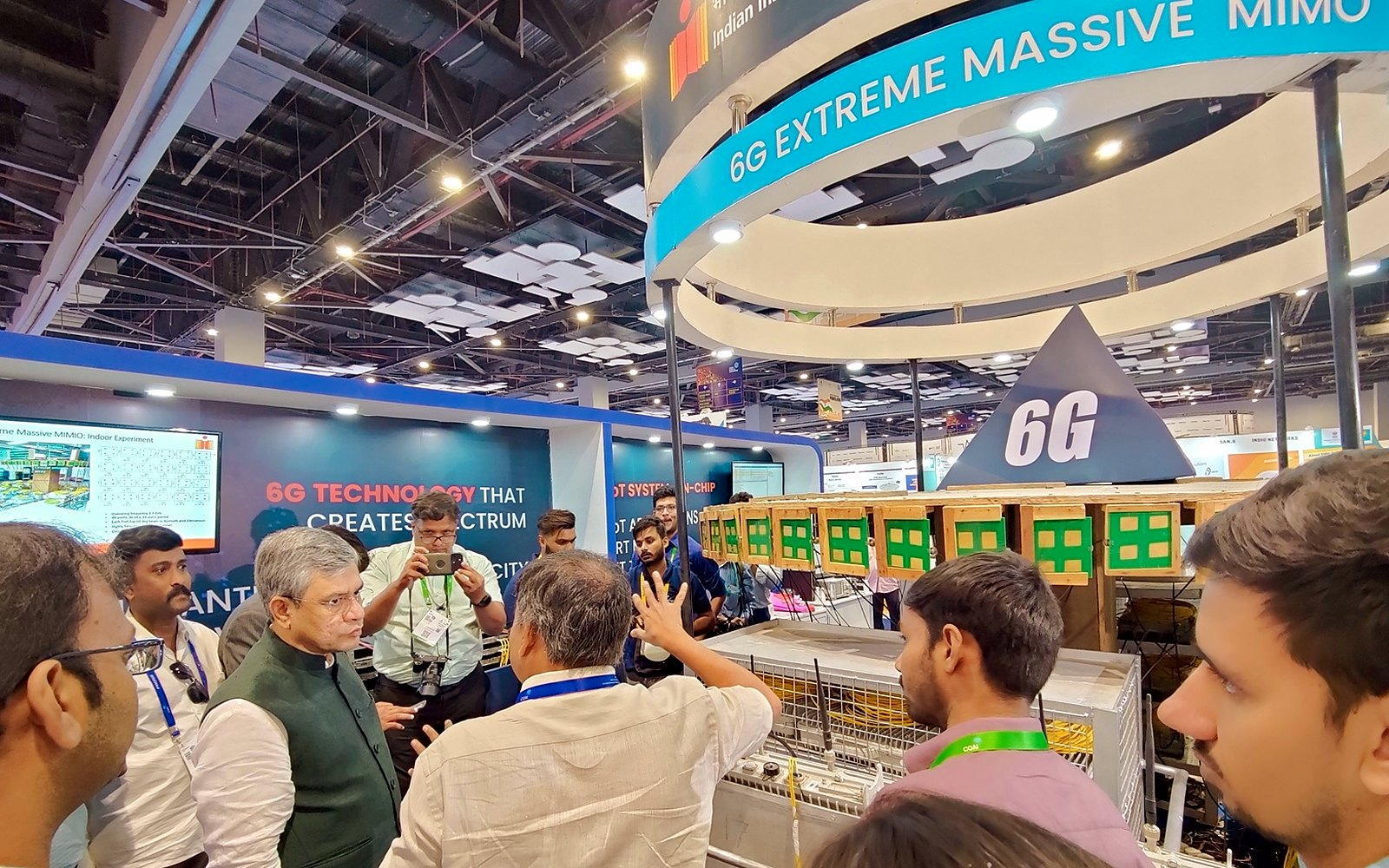
What we are putting into the standard that follows 5G: the OTFDM waveform, structural MIMO antennas, and an extension of the π/2-BPSK uplink modulation already in 5G, all meant to reach the platform by software upgrade rather than replacement.
Read moreWork that began as research at IIT Hyderabad and is now part of the specification other vendors build to.
A low peak-to-average uplink modulation that began at IIT Hyderabad in 2014 and is now a mainstream 5G feature, carried into the standard by a consortium including Qualcomm, Apple, Ericsson, Nokia, Samsung, MediaTek, DOCOMO, AT&T, Reliance Jio and Thales. It lets the device transmit closer to the amplifier’s limit, coverage the operator does not have to build a site for.
Coverage extension techniques for narrowband IoT, carried into the standard and then into our own NB-IoT silicon.
At 3GPP TSG RAN #108 in Prague in June 2025 the same consortium proposed extending the waveform for 6G. The work is backed by the Department of Telecommunications, MeitY, the Department of Science and Technology and TSDSI.
The current platform is designed to reach 3GPP Release 21 by software upgrade rather than replacement.
Reference signal and data inside one symbol, targeted at IMT-2030: single-symbol transmission, high mobility and a low peak-to-average power ratio. Read the detail.
Frequency Range 3 extension in development. Upper mid-band spectrum is where the capacity and coverage trade-off for 6G has to be resolved.
Multi-panel antenna structures giving coverage through the full 360 degrees in azimuth and elevation. The IMT-2030 whitepaper puts the combined figure at up to 116 bits per second per hertz, against 21 for 5G.
Both technologies came out of signal-processing research at IIT Hyderabad and have been developed continuously since. We contribute back to the standards the platform depends on, and we license what we own.
Operator trials, private 5G deployments, interoperability testing or academic collaboration.