India’s first NB-IoT system-on-chip, with non-terrestrial operation built into the silicon.
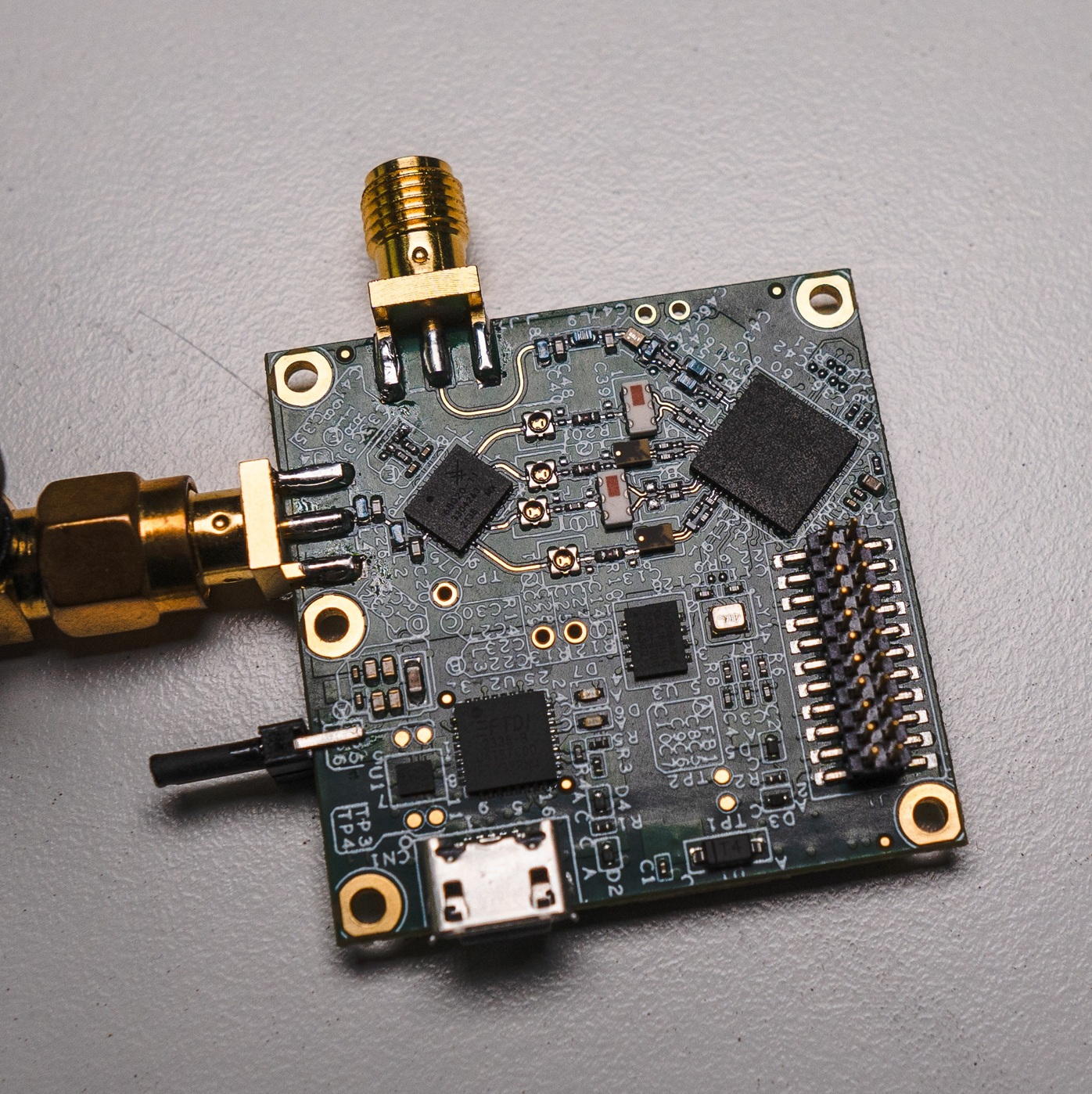
Select a photograph to see it larger.
Koala is a cellular IoT system-on-chip designed in India, the first standards-compliant cellular modem to be designed here rather than licensed in. It integrates baseband, radio, application processor and memory on one die, and was developed with support from MeitY’s Design Linked Incentive scheme.
Non-terrestrial operation is part of the design rather than a later addition, so one device can use a tower where there is one and a satellite where there is not, whether GEO or LEO, without a second radio and without a proprietary satellite protocol.
On-device inference is supported through neural compression, so a sensor can decide what is worth sending rather than transmitting everything it measures. On a narrowband link that is the difference between a useful device and an impractical one.
The chipset is in live testing with Viasat for 5G satellite IoT, and is available to order.
The first standards-compliant cellular modem designed in India rather than licensed in.
3GPP non-terrestrial operation over GEO and LEO, without a second radio and without a proprietary satellite protocol.
Baseband, radio, application processor and memory integrated on a single die.
Neural compression lets a sensor decide what is worth sending, which on a narrowband link is the difference between practical and not.
Under evaluation at Viasat’s UK laboratories for its global L-band network.
Developed with MeitY Design Linked Incentive support under the India Semiconductor Mission.
| Product name | Koala |
|---|---|
| Technology | 3GPP NB-IoT, Release 13/14 |
| Non-terrestrial | 3GPP NTN: GEO and LEO, standardised signalling |
| On-device AI | Neural compression for edge inference |
| Integration | Baseband, radio, application processor and memory |
| Programme support | MeitY Design Linked Incentive scheme |
| Design origin | Designed in India |
| Form | System-on-chip, with evaluation board |
Full specifications are in the datasheet. Figures not yet released publicly are available under NDA.
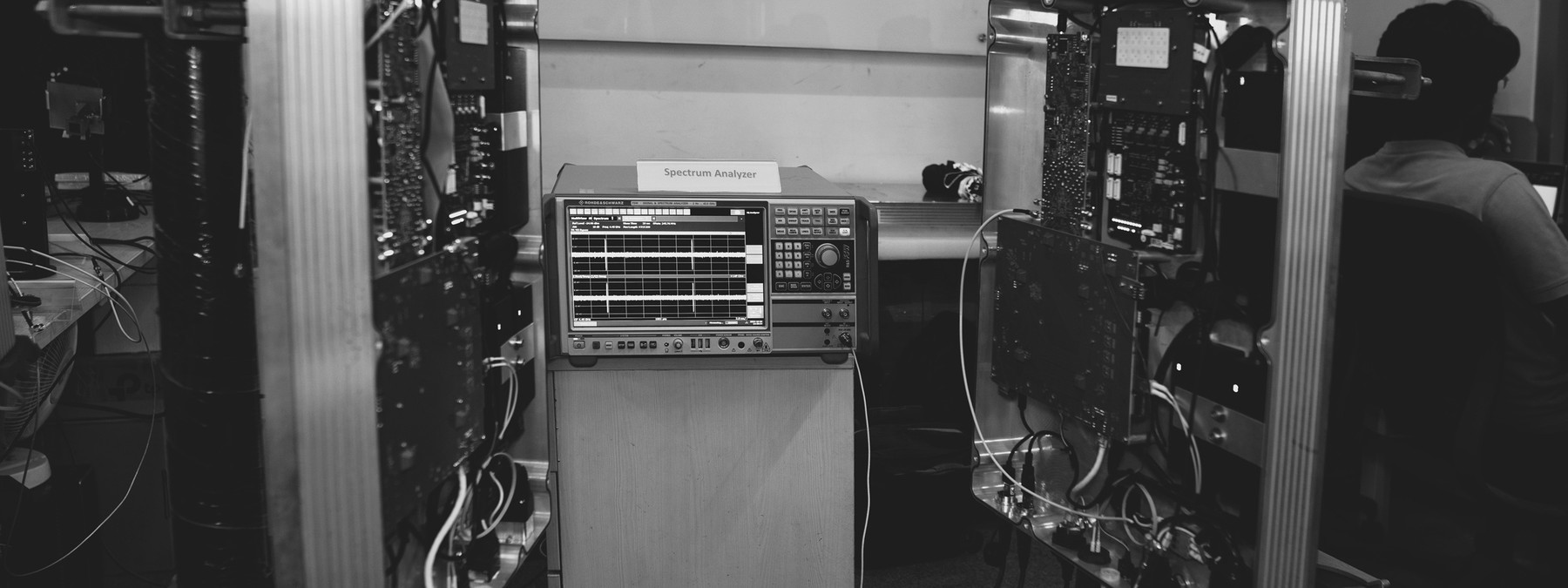
Operator trials, private 5G deployments, interoperability testing or academic collaboration.